أكد الرئيس نجيب ميقاتي "أن موضوع "حصرية السلاح" لا خلاف عليه بين اللبنانيين، ورغم أن سلاح المقاومة أعطى الكثير وحرر الجنوب، ولكن هذا السلاح يجب أن يكون اليوم تحت سيطرة الدولة وأن تكون لها الكلمة الفصل".
وشدد على "أن جنوب الليطاني يجب أن يفرغ نهائياً من السلاح شرط وقف العدوان الإسرائيلي"، معتبراً "أنه يجب ان يكون هناك وعي لدى "حزب الله" بشأن كيفية إيجاد حل لهذا السلاح لما فيه مصلحتهم أولاً ومصلحة لبنان ثانيا".
وشدد على "أنه يجب أن نتفاوض، لأن لا خيارات أخرى لدينا لكي نحرر أرضنا كاملة ويحصل الإنسحاب الإسرائيلي الشامل، وتتحدد حدودنا ويعود الأسرى، وصولاً الى مرحلة عدم الإعتداء".
وايد العودة الى "اتفاق الهدنة" الموقّع عام 1949، مع إدخال بعض التعديلات والتحديثات عليه، لكونه لا يزال الإطار المناسب للحل".
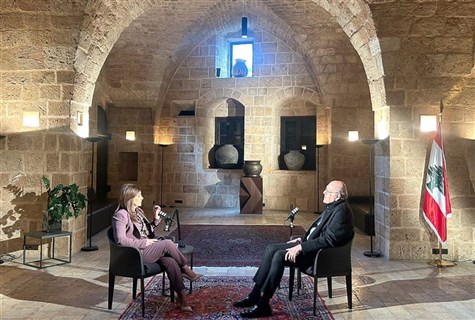
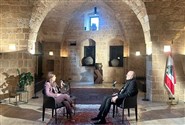
مواقف الرئيس ميقاتي جاءت في حديث مع الزميلة سمر أبو خليل ضمن برنامج "هيدا أنا" مساء اليوم عبر قناة "الجديد".
سئل الرئيس ميقاتي عن موضوع قرار الحكومة بشأن "حصرية السلاح" فأجاب: هذا الموضوع لا خلاف عليه بين اللبنانيين. ورغم أن سلاح المقاومة أعطى الكثير وحرر الجنوب، ولكن اليوم هذا السلاح يجب أن يكون تحت سيطرة الدولة وأن تكون لها الكلمة الفصل.
قد تكون هناك مقاربات مختلفة منها طرح تحييد السلاح، ولكن الأكيد أن لا جدال في موضوع الحصرية. جنوب الليطاني يجب أن يفرغ نهائياً من السلاح شرط وقف العدوان الإسرائيلي.
أضاف: أما في ما يتعلق بمنطقة شمال الليطاني، فإن النسخة الإنكليزية لـ"تفاهم وقف إطلاق النار" التي تسلمتها من السفيرة الأميركية قبل ساعات من بدء سريان وقف إطلاق النار، والتي اعتمدناها في الحكومة، في هذه النسخة وردت عبارة "ابتداءً من جنوب الليطاني"، بينما النسخة العربية التي جرى تعميمها لاحقاً ورد فيها عبارة "جنوب الليطاني".
وقال: يجب أن يكون هناك وعي لدى "حزب الله" بشأن كيفية إيجاد حل لهذا السلاح لما فيه مصلحتهم أولاً ومصلحة لبنان ثانياً.
الدعوات للتفاوض
وعن الدعوات الى التفاوض مع العدو الإسرائيلي قال: يجب أن نتفاوض، لأن لا خيارات أخرى لدينا لكي نحرر ارضنا كاملة ويحصل الإنسحاب الإسرائيلي الشامل، وتتحدد حدودنا ويعود الأسرى، وصولاً الى مرحلة عدم الإعتداء.
أضاف: كما سبق وقلت مراراً وتكراراً، أنا مع العودة الى "اتفاق الهدنة" الموقّع عام 1949، مع إدخال بعض التعديلات والتحديثات عليه، لكونه لا يزال الإطار المناسب للحل.
ورداً على سؤال عما إذا كانت إسرائيل ستنسحب من الأراضي اللبنانية المحتلة قال: في منطق الإتصالات التي أفضت الى تعيين السفير سيمون كرم رئيساً للوفد اللبناني في لجنة "الميكانيزم"، نأمل أن نصل الى حل، علماً ان الخطة اللبنانية واضحة وقد عبّر عنها الرئيس جوزاف عون وهي وقف الإعتداءات الإسرائيلية والإنسحاب الكامل من الأراضي اللبنانية المحتلة وإعادة الأسرى وإعمار الجنوب.
وعما إذا كان يؤيد الوصول الى اتفاق سلام قال: بجب ان نصل إلى اتفاق يوقف الإعتداء، ولكن من المبكر الحديث عن السلام.
ملحق سري!
وعما إذا كانت هناك ورقة بنود سرية بين الولايات المتحدة وإسرائيل ملحقة بالتفاهم قال: لقد سألت آموس هوكشتاين عن الموضوع فأجابني بالنفي، مشدداً على أن الولايات المتحدة ملتزمة به وضامنة له.
اضاف: الحكومة أخذت علماً بـ"تفاهم وقف إطلاق النار" الذي تسلمنا النسخة الإنكليزية منه، ووافقت عليه، ثم أرسلنا نص القرار الحكومي مع النسخة الإنكليزية للتفاهم الى مجلس النواب، حسب الأصول. الرئيس بري كان يمثل حزب الله والجانب الشيعي، ومن الطبيعي أن يتولى المفاوضة، فيما كنت أطلع من المعنيين على مسار المفاوضات وأجري الإتصالات اللازمة لحماية البلد.
الرفض الإسرائيلي
وعن أسباب التراجع الإسرائيلي عن الإلتزام بتفاهم وقف إطلاق النار قال: الإسرائيلي في الأساس لم يكن موافقاً على هذا التفاهم الذي اتفق الرئيس نبيه بري وحزب الله على الموافقة عليه بعد تهديدات برفع وتيرة العدوان الإسرائيلي، واضطر الإسرائيلي الى الموافقة بضغط اميركي. ومن أسرار تلك المرحلة أن الموفد الاميركي آموس هوكشتاين، تبلغ خلال زيارته لإسرائيل رفضاً إسرائيلياً ضمنياً للتفاهم، قبل أن تتلقى الحكومة الإسرائيلية تقريراً مخابراتياً يفيد أن "حزب الله" يرفض الإتفاق. فتم توجيه النصح إلى الإسرائيلي بالموافقة وترك "حزب الله" يعترض. وعندما جاء هوكشتاين إلى بيروت فوجئ بالرئيس بري يبلغه موافقته و"حزب الله" على التفاهم، ما جعل الولايات المتحدة هي الضامن للتفاهم.
النسخة الإنكليزية للتفاهم
وعشية بدء سريان وقف إطلاق النار، تبلغت من السفيرة الأميركية ليزا جونسون نسخة إنكليزية من التفاهم وتلقيت إتصالاً من الرئيس الأميركي جو بايدن وتمنيت عليه أن يصار إلى تقريب موعد بدء وقف إطلاق النار لوقف الغارات الإسرائيلية التي طاولت عمق العاصمة بيروت. لقد كان الرئيس الأميركي هو الضامن للتفاهم، وعندما حصل التغيير في الإدارة الأميركية، اعتبرت إسرائيل أنها في حل من الإتفاق ولم تعد تلتزم به.
اغتيال نصر الله
وسئل عن اغتيال الأمين العام السابق لحزب الله السيد حسن نصر الله فقال: عندما كنت في نيويورك للقيام باجتماعات واتصالات على هامش الجمعية العمومية للامم المتحدة، تبلغت أن هناك تفجيراً كبيراً قد حصل. أما إتصال التأكيد الأساسي لإغتيال السيد نصر الله فتبلغته من السيد آموس هوكشتاين فقررت العودة، علماً أانني شعرت بالخوف وبحجم الخسارة، لأن السيد نصر الله كان شخصية قيادية مميزة ووازنة سياسياً، وهذا رأي المحبين والخصوم معاً.
هدنة الـ21 يوماً
وعما تبلغه من السيد نصر الله قبل توجهه الى نيويورك قال: لقد تبلغت من الرئيس بري في إتصال هاتفي أن الأميركيين سيعرضون علينا أمراً ما، والثنائي الشيعي موافق عليه.وما تبلغته من وزير الخارجية الأميركية أنتوني بلينكن أن هناك بياناً اميركياً- فرنسيا جاري إعداده يقضي بالتوصل الى هدنة لمدة 21 يوماً لوضع القرار 1701 موضع التنفيذ.
عاد الرئيس بري وأبلغني ان الموضوع تعرقل بسبب رفض "حزب الله"، فطلبت موعداً عاجلاً من الرئيس الإيراني الموجود في نيويورك وتمنيت عليه المساعدة من أجل صدور البيان.
عاد حزب الله ووافق على البيان لكن وزير خارجية فرنسا أبلغني أن إسرائيل لم توافق بعد على بنود البيان، الذي عاد وأُصدر لاحقاً، وعبّرت باسم الحكومة عن الترحيب به.
وفي اليوم التالي، أعلن نتنياهو رفضه للبيان وألقى كلمة في الجمعية العمومية للأمم المتحدة، وحصل بعد ذلك الإنفجار الكبير الذي أدى الى اغتيال السيد حسن نصر الله.
الاتصالات الدولية
وعن الإتصالات الدولية والعربية والزيارات الخارجية التي قام بها في تلك الفترة قال: هذه الإتصالات تمحورت حول هدف واحد وهو تحييد لبنان والتوصل إلى وقف إطلاق النار ، والتشديد خصوصاً على تحييد المؤسسات الحكومية والمرافق العامة والمطار. لقد طلبت تحييد لبنان ودعمه، ولكن حتماً لا أحد يستطيع إعطاء ضمانة نيابة عن إسرائيل.
الاستشارات النيابية
ورداً على سؤال عن الملابسات التي رافقت الإستشارات النيابية الأخيرة لتسمية رئيس الحكومة قال: في الحقيقة هناك أمر ما حصل ولا أريد أن أعرف تفاصيله حتى لا يتسرب الحقد إلى قلبي. لقد كنت على وشك تشكيل حكومة، عندما حصل ما حصل. اليوم تجاوزت هذا الموضوع، وبتّ مقتنعاً بأن ما حصل كان لخيري. أتمنى للحكومة التوفيق في مهامها وندعم خطواتها في موضوعي حصرية السلاح والإصلاح الإقتصادي.
ملف" أبو عمر"
وعن ملف "أبو عمر" الذي إنتحل صفة أمير سعودي وإذا ما كان على علاقة به قال: لقد تلقيت رسالة نصية ذات يوم على هاتفي الإنكليزي من شخص قال أنه "شخصية سعودية نافذة" فسألت السفير السعودي عن هذا الشخص فنفى علمه به، ولذلك لم أجب على الرسالة.
انا أعتقد أن هذا الموضوع هو ابتزاز مالي أكثر منه سياسياً، ولكنه أظهر حتماً صورة مزعجة عن المشهد السياسي اللبناني.
ورداً على سؤال قال: هناك لدى أهل السنّة تقدير كبير للمملكة العربية السعودية، ومن صنعوا أبو عمر "يدركون حتماً هذا الأمر فاستغلوه، وإنني أوكد أن أهل السنّة هم الأساس في الحضور الوطني".
العلاقة مع عون
وعن علاقته برئيس الجمهورية جوزاف عون قال: إنني على تواصل مستمر مع فخامة الرئيس، علماً أن العلاقة بيننا توطدت منذ كان قائداً للجيش في عهد حكومتي في فترة الفراغ الرئاسي، وتعاوننا كان كبيراً لحماية البلد. كان تعاوننا بشكل خاص خلال الجولات التي قمنا بها إلى الجنوب ومواقع "اليونيفيل"، حيث شعرت بمدى حرصه على كل حبة تراب بوطنية صافية وبسعيه لتجنيب لبنان الويلات ونبذه للعنف وتشديده على المحافظة على الجيش.ومنذ ذلك الوقت حصل انسجام وتعاون بيننا، ولا نزال نلتقي باستمرار للتشاور.
صلاحيات رئيس الحكومة
وعما يحكى عن مصادرة رئيس الجمهورية صلاحيات رئيس الحكومة قال: إن رئيس الجمهورية حريص على مركز رئاسة الحكومة ككل مواطن لبناني، وأنا لم ألمس من خلال مواكبتي لما يجري أمراً مخالفاً لذلك.
العلاقة مع بري
وعن علاقته برئيس مجلس النواب نبيه بري قال: العلاقة بيننا قديمة والرئيس بري أخ وأستاذ في السياسة وهو من الحكماء في البلد.وفي كل لقاءاتنا الدورية، نستعرض ما يحصل ونحاول استشراف حلول للمستقبل.
العلاقة مع سلام
وعن علاقته برئيس الحكومة نواف سلام قال: علاقتنا قديمة وتعود الى منتصف التسعينيات، وبقيت الصداقة بيننا بكل ما للكلمة من معنى، وكان قريباً مني وإلى جانبي. وعندما كان مندوباً للبنان في مجلس الأمن، وترأس لبنان مجلس الأمن، وهو أمر نادر الحدوث، طلب عقد جلسة خاصة للمجلس برئاستي لبحث ملف الشرق الأوسط.
كنا على اتصال مستمر لا سيما في موضوع النأي بالنفس الذي اعتمدته في حكومتي، وهو خيار متعارف عليه في الأمم المتحدة، واقترحه عليّ نواف عندما كان البحث جارياً في مجلس الأمن لإتخاذ قرار بشأن الوضع في سوريا. ما يقوم به جيد وأتمنى له التوفيق. القرارات التي تتخذ جيدة ولكن الأساس والعبرة تبقى في التطبيق.
العلاقة مع السعودية
وعن علاقته بالسعودية ولقاءاته مع ولي العهد الأمير محمد بن سلمان قال: في المبدأ ليس هناك شيء اسمه علاقة بين دولة وفرد. سمو الأمير محمد بن سلمان لديه انفتاح ومحبة كبيرة للبنان. كما أن المملكة العربية السعودية ماضياً وحاضراً ليس لديها أطماع بلبنان، وهذا نهج ثابت في سياستها، ويهمها استقرار لبنان وأن يكون معافى، وهي على علاقة بكل الأطراف اللبنانية من دون تمييز.